

Best Enterprise Use Cases
Devin’s Ideal Requirements
If your task meets most or all of these requirements, it is an ideal candidate for Devin.
Crafting Devin’s Work
Selecting the right task type is crucial for maximizing Devin’s reliability.Tall & Deep vs. Wide & Shallow
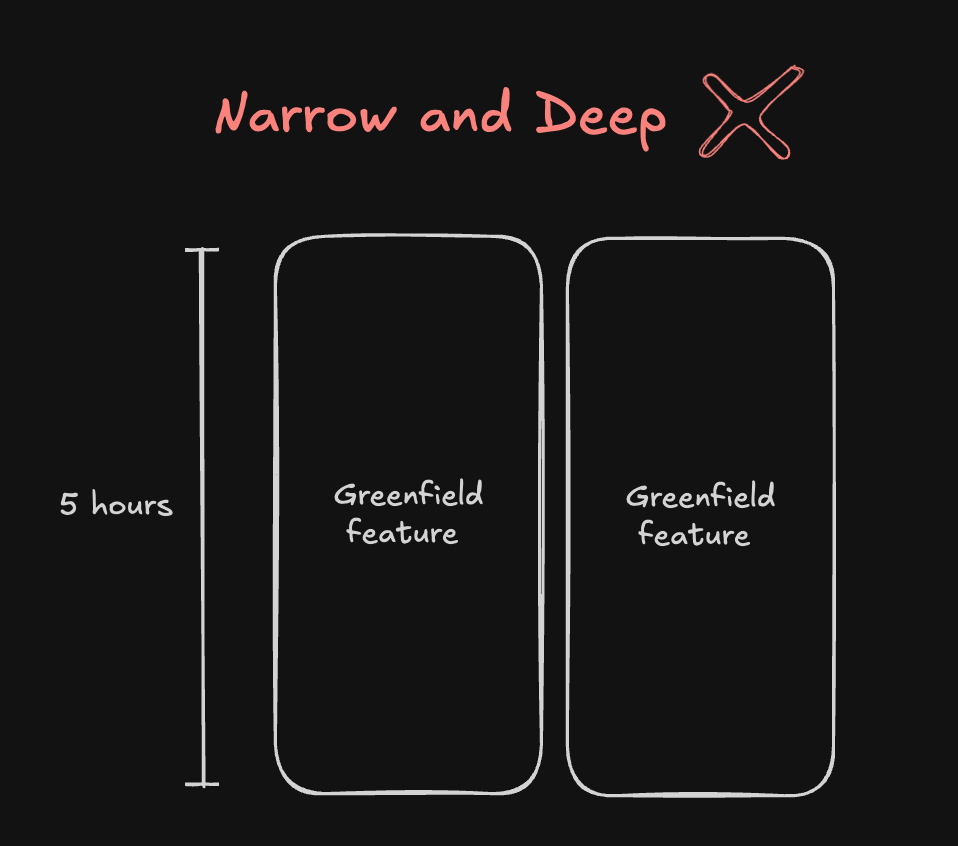

The simpler the slice, the more reliable the overall project.
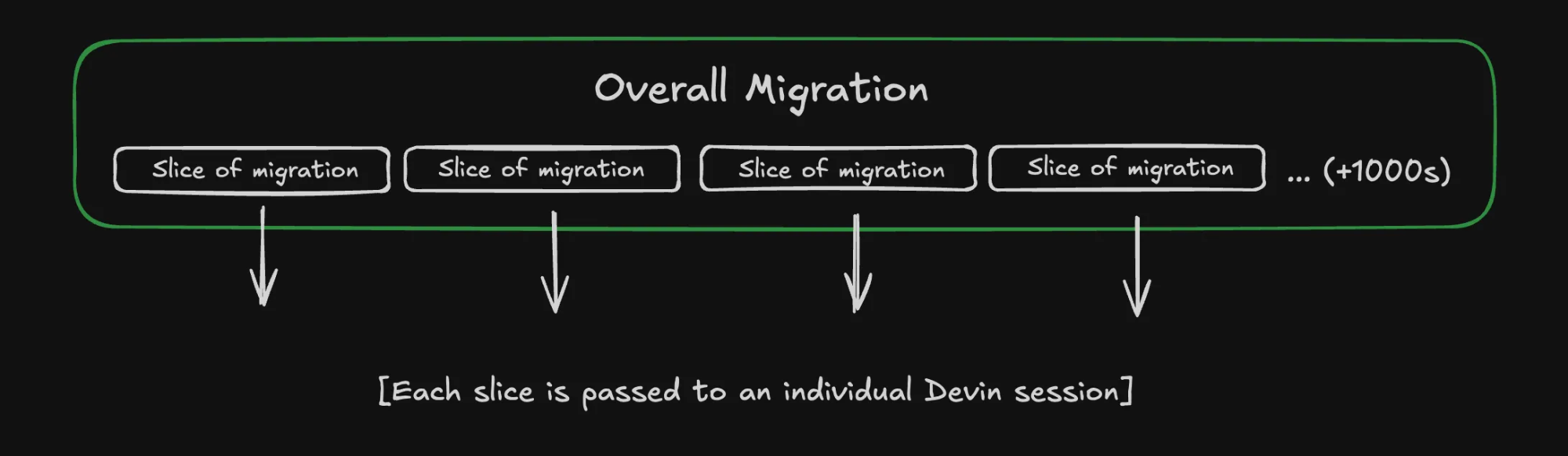
What to Slice
Great candidates for Devin:- Migrations
- Refactors
- Modernizations
- Technical debt backlogs
Verification
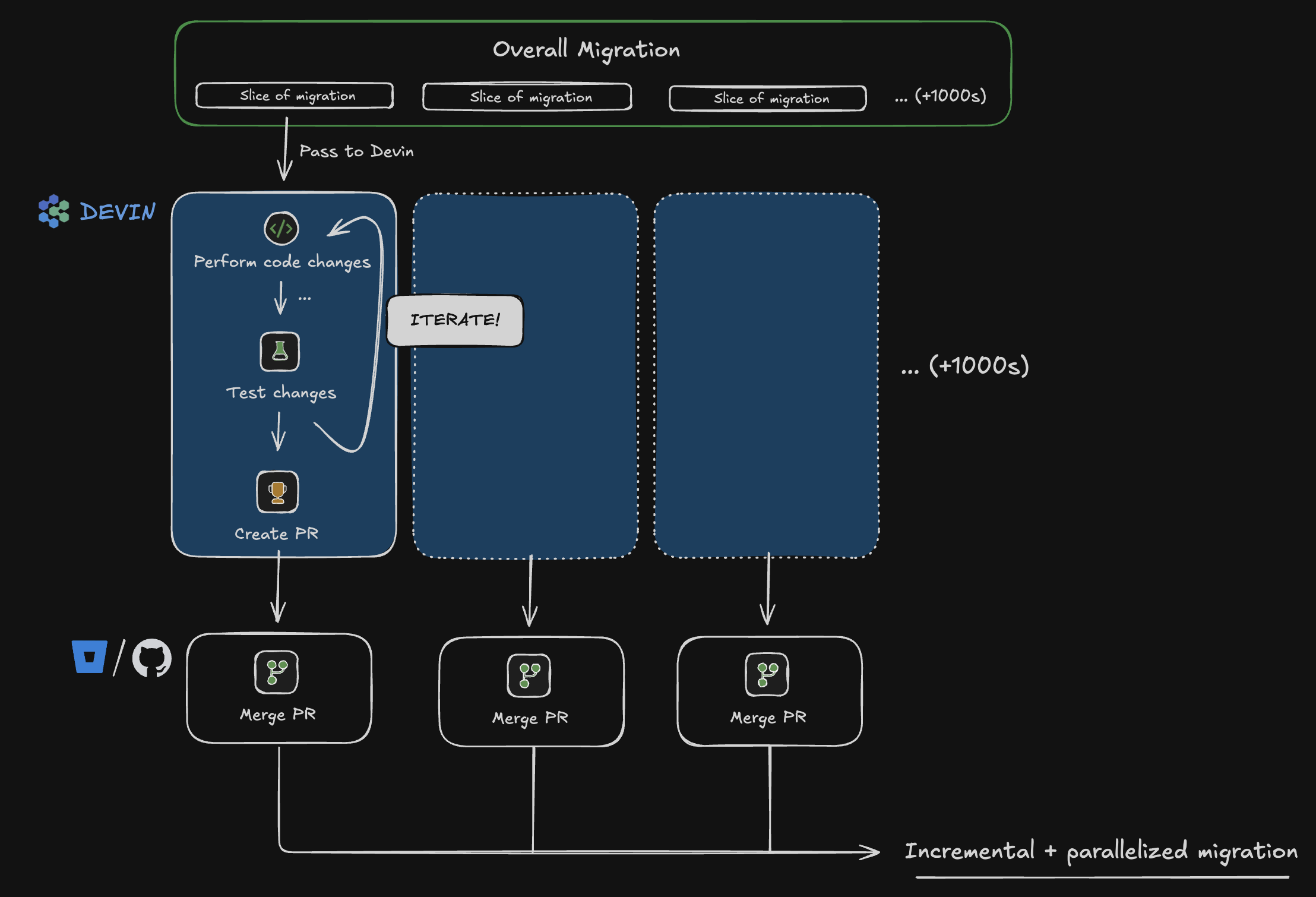
A slice should be the smallest atomic unit of the project.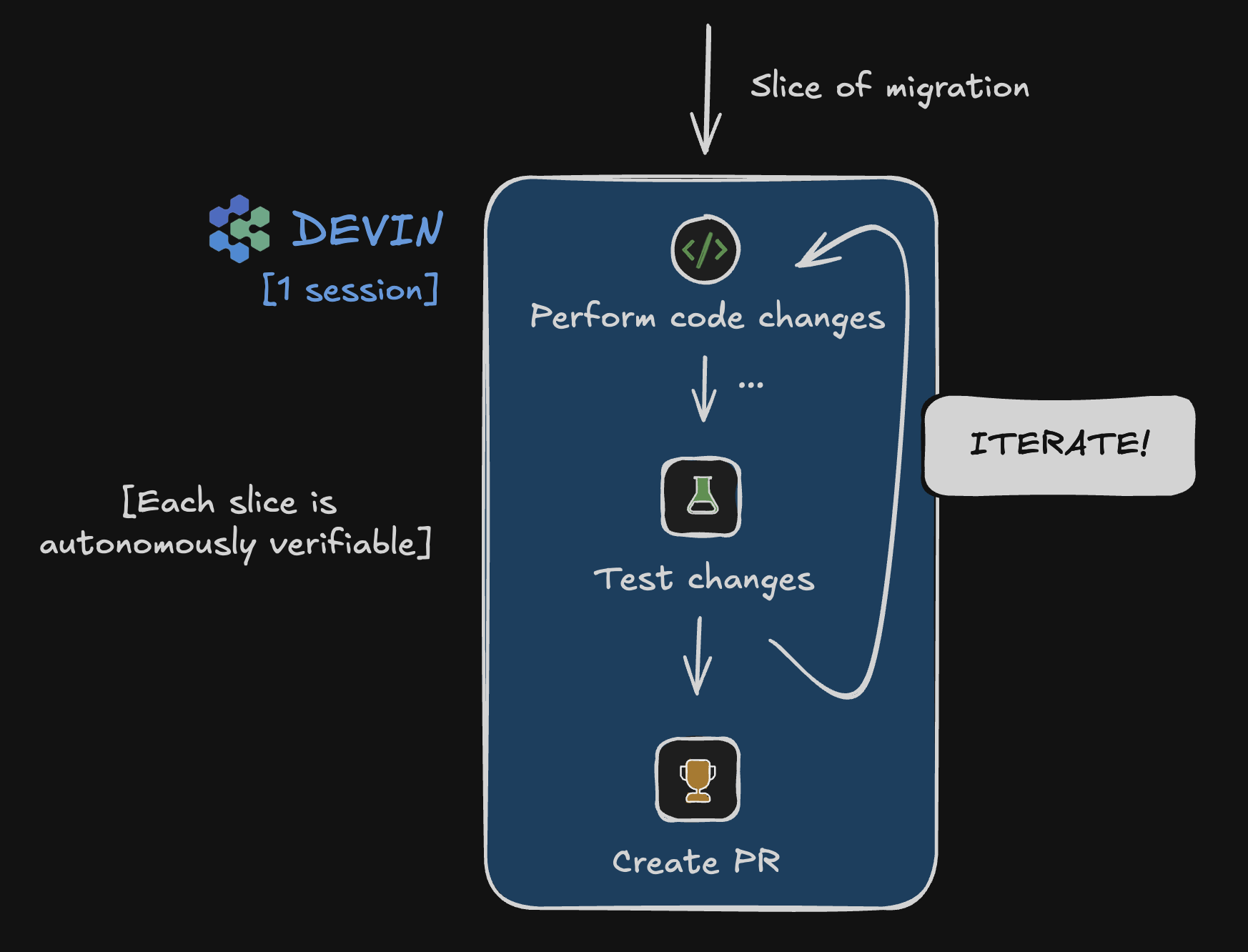
Parallel Execution
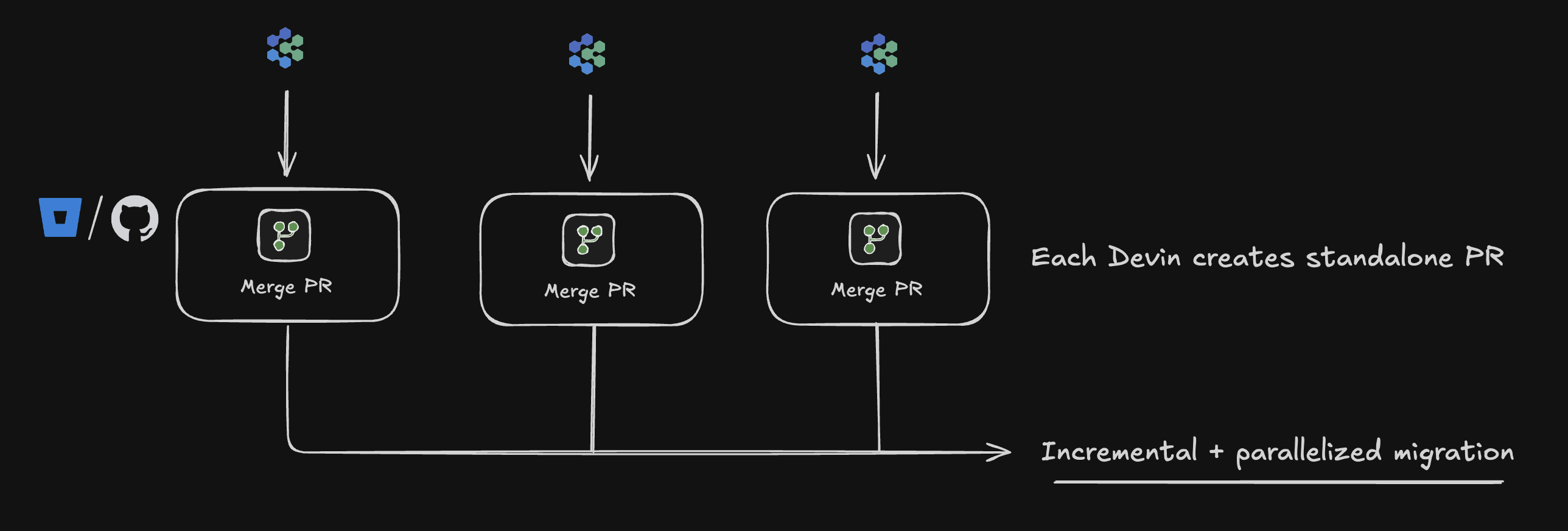
Scaling Considerations
Best Practices for Task Definition
Devin excels in ongoing technical debt tasks (e.g., PR reviews, QA automation) when they are properly sliced and structured.
Migrations, modernizations, and refactors are strong use cases if they can be tackled incrementally.
For example, a full-repository migration requiring all changes at once is not recommended.